
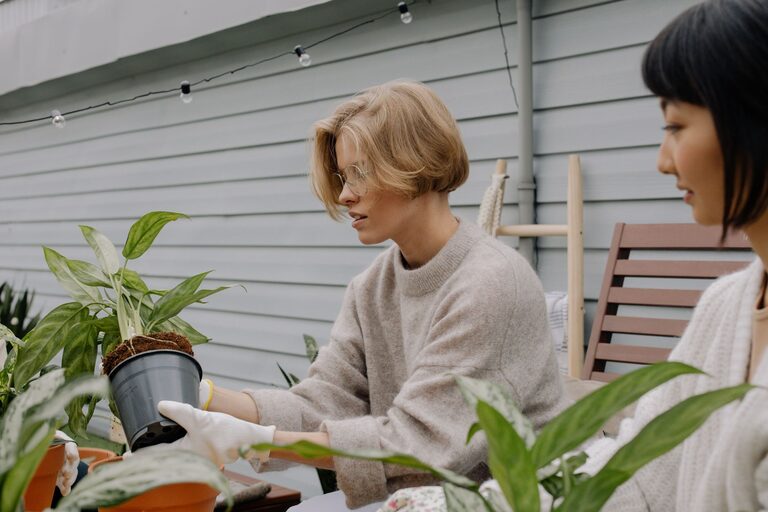
Creating a sustainable home garden is a rewarding way to enjoy fresh produce, support biodiversity, and reduce your environmental footprint. By adopting eco-friendly practices, you can maintain a thriving garden throughout the year. Whether you’re a beginner or an experienced gardener, these tips will help you design and care for a garden that’s good for you and the planet.
Why Choose Sustainable Gardening?
Sustainable gardening focuses on working with nature, conserving resources, and minimizing waste. It reduces the need for chemical inputs, lowers water consumption, and promotes soil health. Over time, a sustainable garden can become a self-sufficient ecosystem that benefits your home and the surrounding environment.
—
Plan Your Garden for Year-Round Success
Understand Your Climate and Seasons
The first step is knowing your local climate and seasonal changes. This knowledge helps you select plants that thrive in your area throughout the seasons. Use planting calendars or consult local gardening centers for guidance on timing sowing, transplanting, and harvesting.
Choose Native and Adapted Plants
Native plants are naturally suited to your region’s soil and weather. They require less water and care, and they provide food and habitat for local wildlife. Combining natives with well-adapted non-invasive species can diversify your garden while keeping it low-maintenance.
—
Create Healthy Soil
Compost Regularly
Composting organic kitchen scraps and garden waste enriches your soil with nutrients and improves its texture. It also reduces landfill waste. Set up a compost bin or pile and turn it regularly to speed up decomposition.
Practice Crop Rotation and Companion Planting
Rotating crops and pairing compatible plants can prevent soil depletion and reduce pests. For example, planting beans near corn can improve soil nitrogen and deter harmful insects.
—
Conserve Water Efficiently
Use Mulch to Retain Moisture
A layer of mulch around plants helps retain soil moisture, suppresses weeds, and regulates soil temperature. Organic mulches like straw, shredded leaves, or wood chips also break down to improve soil health.
Collect Rainwater
Installing rain barrels captures and stores rainwater for irrigation. This reduces demand on municipal water and provides plants with natural, chlorine-free water.
Water Wisely
Water your garden early in the morning or late in the evening to minimize evaporation loss. Target the base of plants rather than the foliage to prevent disease and waste.
—
Control Pests Naturally
Encourage Beneficial Insects
Ladybugs, lacewings, and bees are garden allies that help control pests and pollinate plants. Grow a variety of flowering plants and avoid pesticides to attract these helpful insects.
Use Physical Barriers
Row covers, netting, and collars can protect plants from pests without chemicals. Hand-picking weeds and pests is also an effective gentle method.
—
Extend Your Growing Season
Use Cold Frames and Greenhouses
Cold frames and small greenhouses allow you to start seedlings earlier and protect plants during cooler months. They extend your harvest season and provide a controlled environment that uses less energy than indoor heating.
Practice Succession Planting
Succession planting means sowing new crops at intervals so you have continuous harvests. This method keeps your garden productive without overcrowding.
—
Maintain Your Garden Responsibly
Reduce Waste
Reuse pots, labels, and tools when possible. Turn spent annuals and garden debris into compost instead of throwing them away.
Limit Chemical Use
Avoid synthetic fertilizers and pesticides. Use organic fertilizers and natural pest control methods to keep your garden green and healthy.
—
Benefits Beyond the Garden
Sustainable gardening not only produces fresh fruits, vegetables, and flowers but also improves air quality, supports pollinators like bees and butterflies, and creates a peaceful outdoor space. Over time, you’ll notice healthier soil, stronger plants, and a deeper connection to nature.
—
Final Thoughts
Creating a sustainable home garden is a journey of learning and adapting. By choosing the right plants, protecting your soil, conserving water, and working with nature’s rhythms, you can enjoy a flourishing garden every season. Start with small changes, observe your garden’s needs, and watch it grow into an eco-friendly oasis. Happy gardening!